Safety of Antiobesity Drugs
Bernard Man Yung Cheung, PhD, FRCP, Tommy Tsang Cheung, MRCP(UK), FHKAM, Nithushi Rajitha Samaranayake, BPharm
Disclosures
Ther Adv in Drug Safe. 2013;4(4):171-181
Abstract
 Obesity is a major health problem worldwide. Although diet and physical activity are crucial in the management of obesity, the long-term success rate is low. Therefore antiobesity drugs are of great interest, especially when lifestyle modification has failed. As obesity is not an immediate life-threatening disease, these drugs are required to be safe. Antiobesity drugs that have been developed so far have limited efficacies and considerable adverse effects affecting tolerability and safety. Therefore, most antiobesity drugs have been withdrawn. Fenfluramine and dexfenfluramine were withdrawn because of the potential damage to heart valves. Sibutramine was associated with an increase in major adverse cardiovascular events in the Sibutramine Cardiovascular Outcomes (SCOUT) trial and it was withdrawn from the market in 2010. Rimonabant was withdrawn because of significant psychiatric adverse effects. Orlistat was approved in Europe and the United States for long-term treatment of obesity, but many patients cannot tolerate its gastrointestinal side effects. Phentermine and diethylpropion can only be used for less than 12 weeks because the long-term safety of these drugs is unknown. Ephedrine and caffeine are natural substances but the effects on weight reduction are modest. As a result there is a huge unmet need for effective and safe antiobesity drugs. Recently lorcaserin and topiramate plus phentermine have been approved for the treatment of obesity but long-term safety data are lacking.
Introduction
Obesity is a major public health problem worldwide [Mokdad et al. 2003; James et al. 2004]. It is associated with increased risks of hypertension, dyslipidemia, type 2 diabetes, cardiovascular diseases, obstructive sleep apnea, osteoarthritis, and certain cancers [Hubert et al. 1983; Lean et al. 1998; Hu et al. 2001; Davy and Hall, 2004]. Reduced life expectancy has also been linked to obesity due to increased cardiovascular and cancer risks [Hu et al. 2001]. Treatment of obesity is therefore important, but it must be efficacious, well tolerated, sustainable, and above all, safe [Li and Cheung, 2009].
While it is well known that obesity is caused by overeating and physical inactivity, the pathophysiology of obesity is complex and incompletely understood. Genetic predisposition has been extensively evaluated. Studies of twins have shown that obesity is a highly heritable trait [Stunkard et al. 1986]. In addition, genome-wide association studies as well as studies of candidate genes have identified many of the associated genes, suggesting that multiple mechanisms are involved in obesity [Ciullo et al. 2008; Fox et al. 2007]. Besides, there is increasing evidence in support of obesity being an inflammatory disorder. It is believed that adiposity is due to an imbalance between the levels of proinflammatory cytokines, such as interleukins and tumor necrosis factors, and the levels of anti-inflammatory cytokines [Roytblat et al. 2000; Ziccardi et al. 2002]. Therefore, a single drug is unlikely to be effective.
The current antiobesity drugs mainly act on the appetite, but there are many other systems that control body weight, including absorption, metabolism, and thermogenesis. When these pathways are targeted, it is likely to cause undesirable effects.
Lifestyle Factors
In the management of obesity, lifestyle and behavioral modifications, including appropriate diet and exercise, should always be advocated. The effects of lifestyle modifications on body weight are so important that, without changes in these, drug therapy alone is bound to fail. Although diet and exercise habits are mainly determined by individuals, social environment also plays a crucial role in lifestyle modifications [Williamson and Stewart, 2005]. However, lifestyle modification alone has limited long-term efficacy. Most patients experience rebounds in body weight after achieving an initial success [Wadden et al. 1989]
Drug Treatment
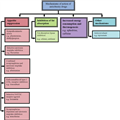
Drug treatment is recommended as an adjunct for patients who are obese or overweight with comorbidities such as type 2 diabetes [Snow et al. 2005; Bravata et al. 2003; Samaha et al.2003; Yancy et al. 2004]. Antiobesity drugs usually work by suppressing appetite, inhibiting fat absorption, or increasing energy consumption and thermogenesis [Li and Cheung, 2009] (Figure 1). Throughout the past few years, many medications have been introduced and approved by the United States Food and Drug Administration (FDA) for the treatment of obesity. However, most of them have subsequently been withdrawn due to various serious adverse effects (Table 1).
Figure 1.
Mechanism of action of antiobesity drugs. 5-HT, 5-hydroxytriptophan.
Phentermine
Phentermine is a noradrenergic drug that stimulates noradrenaline release and reduces food intake by acting on β-adrenergic receptors in the perifornical hypothalamus [Bray, 1993]. Its sympathomimetic actions are similar to amphetamine. It was approved for the short-term treatment of obesity by the FDA in 1959. However, strong evidence to demonstrate its long-term safety and efficacy is still lacking [Li and Cheung, 2009]. A recent randomized controlled trial using phentermine controlled release for 12 weeks demonstrated significant weight reductions (9.3 kg versus 1.8 kg) in the treatment group. Waist circumferences, total cholesterol, and low-density lipoprotein levels were also significant reduced. Dry mouth and insomnia were the most common adverse events reported by patients taking phentermine as it is a sympathomimetic drug. Otherwise there was no significant increase in blood pressure in the treatment group [Kang et al. 2010].
Fenfluramine
Fenfluramine and its d isomer, dexfenfluramine, are serotonergic drugs that suppress appetite and reduce food intake [Connolly et al. 1997]. The combination of phentermine with fenfluramine or dexfenfluramine was once commonly used in the management of obesity. Although the effect of the combination treatment was not superior to monotherapies, lower doses of each drug may result in fewer side effects [Weintraub et al. 1984]. However, FDA approval of fenfluramine and dexfenfluramine was withdrawn in 1997 [Ioannides-Demos et al. 2006]. The decision was prompted by a report of heart valve damage in 24 women taking fenfluramine [Connolly et al. 1997]. Echocardiographic and histological findings demonstrated unusual valvular morphology resembling carcinoid- or ergotamine-induced heart valve disease. In this report, eight women were also found to have pulmonary arterial hypertension.
Diethylpropion
Diethylpropion, a prodrug of ethylpropion (ethcathinone), is a noradrenaline-releasing agent like amphetamine but with fever stimulant effects. It was also approved by the FDA at the same time as phentermine for the short-term treatment of obesity [Li and Cheung, 2009]. Common adverse events are similar. It can increase blood pressure and heart rate, and so neither should be used in patients with cardiovascular diseases. In the UK, these drugs can only be prescribed on a named-patient basis.
In 2009, a double-blind, placebo-controlled study to assess the long-term efficacy and safety of diethylpropion was published. A total of 69 patients with obesity were randomized to receive diethylpropion or placebo for 6 months with a hypocaloric diet. All participants then received diethylpropion in the open-label extension phase. Patients in the treatment group had significant weight reduction of 9.8% at 6 months and 10.6% at 12 months from baseline. There was no difference in the blood pressure between the treatment and placebo group. Similarly, the common side effects of diethylpropion include dry mouth, insomnia, palpitations, and headache. No serious adverse events were reported [Cercato et al. 2009].
Sibutramine
Sibutramine was approved by the FDA in 1997 [Li and Cheung, 2009]. It is a serotonergic and adrenergic drug that inhibits the reuptake of serotonin and norepinephrine [Nisoli and Carruba, 2000]. Sibutramine is converted to active metabolites that suppress appetite, cause satiety, and enhance thermogenesis [Nisoli and Carruba, 2000].
Sibutramine treatment for a year can reduce weight by about 4.5 kg on average [Arterburn et al. 2004]. Moreover, it can improve the adverse biochemical profile associated with obesity, such as plasma glucose, insulin, triglycerides, total cholesterol, low-density lipoprotein cholesterol (LDL-C), and high-density lipoprotein cholesterol (HDL-C) [Nisoli and Carruba, 2000]. It was also associated with a reduction in waist circumference, which is a good predictor of cardiovascular diseases [Cuellar et al.2000; Fanghanel et al. 2000]. In patients with obesity and type 2 diabetes, it reduces the level of glycated hemoglobin [McNulty et al. 2003; Serrano-Rios et al. 2002; Gokcel et al. 2001]. However, there is a rebound in body weight after stopping sibutramine [McNeely and Goa, 1998].
The common side effects of sibutramine include headache, dry mouth, insomnia, and constipation [Nisoli and Carruba, 2003]. Unlike fenfluramine, sibutramine is not associated with pulmonary hypertension or valvular damage. However, sibutramine increases heart rate and can increase blood pressure by about 2 mmHg in some [Nisoli and Carruba, 2000] but not all patients [Jordan et al. 2005]. Indeed, in one study a sibutramine and verapamil/trandolapril combination reduced blood pressure more effectively than a verapamil/trandolapril combination [Nakou et al. 2008]. The effect of sibutramine on blood pressure depends on the balance between peripheral stimulation and central inhibition of the sympathetic nervous system [Heusser et al. 2006]. Due to the concern about blood pressure, sibutramine should not be used in patients at risk of heart disease and stroke.
To evaluate the risks of cardiovascular events in patients treated with sibutramine, the Sibutramine Cardiovascular Outcomes (SCOUT) trial was carried out. This was a 5-year randomized, double-blind, placebo-controlled trial involving 10,742 patients who were overweight or obese and had cardiovascular diseases, hypertension, or type 2 diabetes [Torp-Pedersen et al. 2007]. In the 6-week lead-in period, patients who received single-blind sibutramine had reductions in body weight, waist circumference, blood pressure, and pulse rate [Torp-Pedersen et al. 2007]. The preliminary results of SCOUT were available in January 2010 and showed that sibutramine was associated with an increased risk of myocardial infarction or stroke compared with placebo (11.4% versus 10%; hazard ratio 1.16; 95% confidence interval 1.03–1.31). This led to the recommendation to suspend the use of sibutramine by the Committee for Medicinal Products for Human Use of the European Medicine Agency (EMA). Sibutramine was therefore withdrawn in Europe [Astrup, 2010]. The FDA requested that healthcare professionals be notified that sibutramine should not be used in patients with known cardiovascular diseases. The full results of SCOUT were published in September 2010 [James et al. 2010]. Long-term sibutramine treatment definitely increased the risk of nonfatal myocardial infarction and nonfatal stroke, but not death from cardiovascular diseases or from any other causes. The FDA decided that the cardiovascular risks to patients had outweighed the benefits, so sibutramine was withdrawn in October 2010 [Astrup, 2010].
Rimonabant
The endocannabinoid system plays an important role in determining food intake [Di Marzo et al. 2004]. Endocannabinoids act as endogenous ligands that activate cannabinoid type 1 (CB1) and type 2 (CB2) receptors [Van Gaal et al. 2005]. The CB1 receptor is expressed in the central nervous system and in the peripheral tissues such as adipose tissue, gastrointestinal tract, liver and muscle, which are all involved in lipid and glucose metabolism. The CB2 receptor is located in immune and hematopoietic cells [Butler and Korbonits, 2009]. Increased CB1 receptor activity in the central nervous system results in excessive food intake by overstimulation of the reward pathways. Upregulation of the CB1 receptors in the periphery causes visceral adiposity and an increase in cardiovascular risks [Aronne and Isoldi, 2007]. Since the endocannabinoid system appears to be activated in obesity, suppressing it might improve body weight and the metabolic profile [Di Marzo and Matias, 2005]. Rimonabant was the first drug developed to block CB1 receptors in the brain and in the periphery [Pagotto and Pasquali, 2005]. This inhibition was shown to induce anorexigenic and thermogenic effects mediated by the central nervous system. It also potentiates the signal of satiety to the gastrointestinal tract, inhibits lipogenesis from the liver, lowers adiponectin levels, and reduces fat storage in the adipose tissues. Rimonabant was subsequently approved by the EMA in April 2006.
The effects of rimonabant on the metabolic profile were very encouraging and so four related large clinical trials were launched to test the long-term effects of rimonabant, including its efficacy and safety [Van Gaal et al. 2005; Pi-Sunyer et al. 2006; Despres et al. 2005; Scheen et al. 2006]. The Rimonabant In Obesity (RIO) Europe trial and the RIO North America trial included patients who were obese or overweight and had obesity-related diseases. The RIO-Lipids and RIO-Diabetes trials included patients with hyperlipidemia and type 2 diabetes respectively. All four trials showed similar effects on weight loss and cardiovascular risk factors. Rimonabant reduced weight by about 4.7 kg at 1 year [Butler and Korbonits, 2009]. Glycemic control and lipid parameters also improved. HDL-C increased by 23% while triglyceride levels decreased by 15% [Despres et al. 2005]. However, rimonabant was associated with psychiatric side effects such as anxiety, depression, and suicidal ideation. These adverse psychiatric events were observed in 26% of the participants on 20 mg rimonabant compared with 14% of those on placebo [Samat et al. 2008]. In October 2008, the suspension of rimonabant was recommended by the EMA [Li and Cheung, 2009]. In addition, the FDA did not approve the use of rimonabant [Butler and Korbonits, 2009].
Orlistat
Orlistat is a reversible inhibitor of gastrointestinal lipase, and so dietary fat cannot be absorbed in the gut [Guerciolini, 1997]. This is how it limits calorie intake. Orlistat was found to reduce body weight by about 3 kg after 12 months of treatment [Li et al. 2005]. In addition, it reduces waist circumference, total cholesterol, LDL-C and blood pressure, and improves blood glucose level and insulin resistance [Torgerson et al. 2004; Schneider et al. 2005; Beck-da-Silva et al.2005; Shi et al. 2005]. However, orlistat commonly causes gastrointestinal side effects, such as diarrhea, flatulence, bloating, abdominal pain, and dyspepsia [Maahs et al. 2006]. There is also potential interference with the absorption of fat-soluble vitamins (A, D, E, and K). Vitamin supplementation may therefore be required. Orlistat was approved without the requirement to conduct a long-term controlled trial on its safety. While there are no concerns about its long-term safety, data on its effects on cardiovascular outcome are limited.
Since 1999, the FDA has been notified of a few cases of serious liver injury after taking orlistat [Umemura et al. 2006]. However, the risk was regarded as low and the FDA allowed continuation of orlistat for the treatment of obesity.
Ephedrine and Caffeine
Ephedrine and caffeine are not usually regarded as drugs, but they help to increase energy expenditure and thermogenesis. In a long-term placebo-controlled clinical trial, the combination of ephedrine and caffeine reduced body weight [Coffey et al. 2004]. They do not need to undergo the usual drug approval process and can be added to health supplements. Therefore, their effectiveness and safety when used for weight loss are not as well documented as other antiobesity agents.
Novel and Potential Drug Therapies
Lorcaserin
Lorcaserin is a specific 5-hydroxytriptophan (5-HT) 2C agonist. 5-HT2C receptors are distributed in the nucleus of the solitary tract, dorsomeidal hypothalamus, paraventricular hypothalamic nucleus, and the amygdala [Berthoud, 2002]. These areas are associated with the regulation of food intake. 5-HT2C receptor knockout mice are hyperphagic, leading to obesity, partial leptin resistance, increased adipose deposition, insulin resistance, and impaired glucose tolerance [Tecott et al. 1995; Heisler et al. 1998; Nonogaki et al. 1998; Tecott and Abdallah, 2003].
A specific 5-HT2C agonist has the advantage of avoiding the potential side effects of a nonspecific 5-HT agonist, such as hallucination induced by 5-HT2A activation, cardiac valvular pathologies, and possible pulmonary hypertension associated with 5-HT2B activation [Fitzgerald et al. 2000; Launay et al. 2002]
The BLOOM (Behavioral modification and Lorcaserin for Overweight and Obesity Management) trial was a 104-week, double-blind, placebo-controlled trial which assessed the safety and efficacy of lorcaserin. Patients with pre-existing valvulopathy identified by echocardiograms were excluded. Patients on lorcaserin did not have increased risk of valvulopathy, pulmonary hypertension, depression, or suicidal ideation. However, the study was regarded as underpowered for the assessment of the primary safety endpoint [Smith et al. 2010].
The most common adverse events in patients taking lorcaserin were upper respiratory tract infections, headache, dizziness, and nausea. The incidences of headache and dizziness were 18% and 8.2% respectively in the lorcaserin group but most of them were self-limiting and mild in severity.
A similar study including patients with diabetes, BLOOM-DM (Behavioral Modification and Lorcaserin for Overweight and Obesity Management in Diabetes Mellitus) showed a higher rate of valvulopathy of 2.9% in patients taking lorcaserin while only 0.5% was noted in the placebo group at week 52 [O'Neil et al. 2012]. In addition, animal studies suggested that lorcaserin might cause tumors in rats, especially mammary adenocarcinoma and astrocytoma.
These controversies were addressed by further studies. Data from in vitro receptor assays suggested that lorcaserin at clinically recommended doses is unlikely to activate the 5-HT2B receptor [Thomsen et al. 2008], which is believed to be the pathophysiology of valvulopathy associated with the use of fenfluramine. Fewer mammary tumors in rats were graded as malignant after re-examination of the pathologies by other independent pathologists [Colman et al. 2010]. In a clinical study the concentrations of lorcaserin in the central nervous system were found to be low [Thomsen et al. 2008]. This also alleviated the concern of increased risk of astrocytoma in rats associated with lorcaserin. Therefore, on the basis of these data, the FDA finally approved lorcaserin in June 2012 for the treatment of obesity provided that adequate postapproval clinical trials would be conducted to rigorously assess the long-term cardiovascular safety.
Phentermine and Topiramate
Topiramate is an antiepileptic drug that blocks voltage-dependent sodium channels, glutamate receptors, and carbonic anhydrase, and augments the activity of γ aminobutyrate [Antel and Heberbrand, 2012]. Qnexa® is a combination of topiramate and phentermine [Jones, 2009]. The combination is better tolerated and can result in impressive weight reduction. Treatment with a combination of phentermine and topiramate was associated with greater mean reductions in blood pressure. Therefore, the FDA concluded that the benefit–risk balance was positive and supported the approval of phentermine plus extended-release topiramate for the treatment of obesity.
However, there are still safety concerns about using a combination of phentermine and topiramate, including teratogenicity and elevation in resting heart rate. Preliminary data suggest that women who received topiramate during pregnancy are more likely to have infants born with orofacial cleft [Hunt et al.2008].
Tensofesine
Tesofensine inhibits presynaptic uptake of noradrenaline, dopamine, and serotonin. The initial use of tesofensine in patients with Parkinson's or Alzheimer's disease produced unintentional weight loss. Therefore, tesofensine was subsequently developed for the treatment of obesity. A 24-week phase II study showed significant dose-dependent weight reduction with tesofensine. The most common adverse events were dry mouth and nausea. However, tesofensine 1.0 mg increased anger and hostility and both 0.5 mg and 1.0 mg of tesofensine increased the risk of confusion. Otherwise, the risk of serious adverse events did not differ between tesofensine and placebo groups [Astrup et al. 2008]
Theoretically, drugs that increase dopamine levels have stimulant effects and may be associated with abuse. However, the absorption and elimination of oral tesofensine in humans are slow. The plasma concentrations peak at 5–8 h after the first dose [Bara-Jimenez et al. 2004]. Tesofensine also has a very long half life of 220 h. These data suggest that the abusive potential of tesofensine is low. A randomized controlled trial comparing the effect of tensofensine with amphetamine, bupropion, and atomoxetine showed that the effects of tensofensine were consistently lower than those of amphetamine 15 mg, and were either lower than or not different from those of bupropion or atomoxetine [Schoedel et al. 2010].
Cetilistat
Cetilistat is a highly lipophilic benzoxazinone that inhibits lipases with a similar action to orlistat. A multicenter, randomized, double-blind, placebo-controlled trial showed that treatment-related adverse events were experienced by 82.5% of patients [Kopelman et al. 2007]. The majority of adverse events were due to mild or moderate gastrointestinal intolerance, which included increased defecation, soft stool, abdominal pain, flatulence, and fatty stool. These adverse events resulted in withdrawal of cetilistat in 7% of patients. Serum vitamin D, E, and B-carotene levels were decreased significantly in patients taking cetilistat. Although the reduced levels were still within the normal ranges, the long-term effect of cetilistat on the absorption of fat-soluble vitamins remains unclear [Kopelman et al. 2007]. Another similar study comparing the efficacy of cetilistat with orlistat in patients with obesity and diabetes was conducted. However, patients treated with orlistat reported 30% more adverse events than patients on cetilistat. The discontinuation rates in the cetilistat group were also lower [Kopelman et al. 2010].
Unmet Need
We have looked at the recent need for treatment of obesity in the United States. We studied data from the National Health and Nutritional Examination Survey. The proportion of the sample population eligible for antiobesity treatment was 45.4%. However, among those eligible, only 0.6% were taking such drugs. Although most of people with obesity recognize their weight problems, many resorted to unorthodox methods of losing weight [Samaranayake et al. 2012]. The reasons for the poor utilization of antiobesity drugs are uncertain, but may include the limited effectiveness, significant side effects, and concerns over safety of the drugs.
A related issue is compliance. The poor efficacy and side-effect profile of the drugs might reduce compliance to treatment. The public's attitude to the safety of antiobesity drugs is mixed. There is an enormous demand but also concerns about safety. Approved antiobesity drugs are not used enough, as shown by our study. Withdrawn drugs such as sibutramine are either bought over the internet or taken inadvertently in adulterated nonprescription pills. One author argued that sibutramine's harm is known , quantifiable , and preventable, while the use of nonapproved treatments carries much greater risks.
The Future
There are many drugs that are in the pipeline but have not been licensed for the treatment of obesity. Metformin has been used for many years for type 2 diabetes. It is the only antidiabetic drug that has been shown in long-term clinical trials to prevent the development of diabetes and to reduce mortality [Holman et al. 2008]. Unlike sulphonylureas and insulin, it does not cause weight gain. In some studies, weight reduction has been observed among people without diabetes. Metformin is not currently licensed for the treatment of obesity, but as a first-line treatment for patients with type 2 diabetes.
Contrave is a combination of buproprion and naltrexone, which works by suppressing appetite and speeding up metabolism. A large trial is ongoing to investigate its safety.
Liraglutide, like exenatide, is a glucagon-like peptide 1 analogue that can be used in the treatment of type 2 diabetes. It reduces body weight by suppressing appetite and delaying gastric emptying, and is therefore also effective in people without diabetes [Astrup et al. 2009].
The future of antiobesity drugs is very uncertain at present. The drug regulatory authorities and healthcare professionals generally take the view that obesity is not a disease. The reason for drug treatment is to reduce the cardiovascular and other health risks associated with obesity but not to reduce weight for its own sake or to improve appearance. Consequently, there is a requirement for obesity drugs to be safe in patients at risk of cardiovascular diseases. The SCOUT study was performed for this reason and sibutramine was found wanting. However, one should not fall into the trap that antiobesity drugs can reduce cardiovascular risks effectively. Judged in this way, obesity drugs are never going to be as effective as antihypertensive drugs and statins for cardiovascular risk reduction.
There are signs that the regulatory authorities may adopt a less rigid approach to antiobesity drugs because of the enormity of the problem and pressure from pharmaceutical companies, medical professionals who have to treat patients with obesity and comorbidities, and the public. This approach is akin to the early approval of cancer and antiviral drugs while stipulating that large outcome studies are to be undertaken to establish their long-term efficacy and safety.
Conclusion
The safety of drugs for the treatment of obesity is undermined by poor understanding of the pathophysiology of obesity, lack of good therapy, poor uptake and usage of therapy, and poor compliance. There are also regulatory and societal issues.
The history of antiobesity drugs is littered with instances of early promises but late failure [Li and Cheung, 2011]. We do not understand the genetic, biochemical, physiological, psychological, behavioral, and social mechanisms that cause obesity well enough to prevent or reverse it effectively. Many drugs treat only one part of this complex interaction and produce unacceptable side effects. Thus, in spite of favorable results in terms of body weight reduction, most antiobesity drugs developed so far have not been approved or have been withdrawn from the market due to significant adverse effects. There is an urgent need for new antiobesity drugs. Newly approved drugs including lorcaserin and phentermine plus topiramate were proven effective in weight reduction but their long-term safety and tolerability should be carefully evaluated in the future. It should also be remembered that, in clinical trials, antiobesity drugs were used in combination with a low-calorie diet. The key to successful weight reduction remains good adherence to a low-calorie diet and adequate regular physical activity.